Common Small Animal Problems in Commercial and Industrial Properties
People dealing with common small animal problems in commercial and industrial properties can rely on local service providers to effectively remove and prevent unwanted animals.
Understanding common small animal problems in commercial and industrial properties is essential for maintaining a safe and functional environment. These issues can range from unexpected pest activity to structural damage caused by rodents, birds, or other small creatures. Property owners in the area may find it practical to explore this topic to prevent costly repairs, protect inventory, and ensure compliance with safety standards. Recognizing the signs early and knowing when to seek professional assistance can make a significant difference in managing these challenges effectively.
Many local contractors specialize in small animal removal services, offering solutions tailored to the unique needs of commercial and industrial settings. These professionals can help identify the root causes of animal-related issues and implement humane, efficient removal methods. Exploring this topic further can connect property owners with the right service providers who have the experience and tools to handle small animal problems swiftly, helping to maintain the integrity and safety of their properties.
- Attic and roof spaces - when small animals like squirrels or raccoons invade commercial rooftops or attics, local contractors can perform humane removal and seal entry points to prevent future invasions.
- Wall and ceiling cavities - signs of gnawing or droppings in walls often indicate rodent activity, with local service providers specializing in safe removal and exclusion techniques.
- Vents and ductwork - pests such as mice or bats may enter through ventilation systems, and experienced pros can inspect, remove, and secure these access points effectively.
- Storage and utility areas - when small animals are discovered nesting in cluttered storage zones, local contractors can remove pests and implement barriers to keep them out.
- Exterior building openings - gaps around windows, doors, or foundation cracks attract small animals, with local pros offering tailored exclusion services to protect commercial and industrial properties.
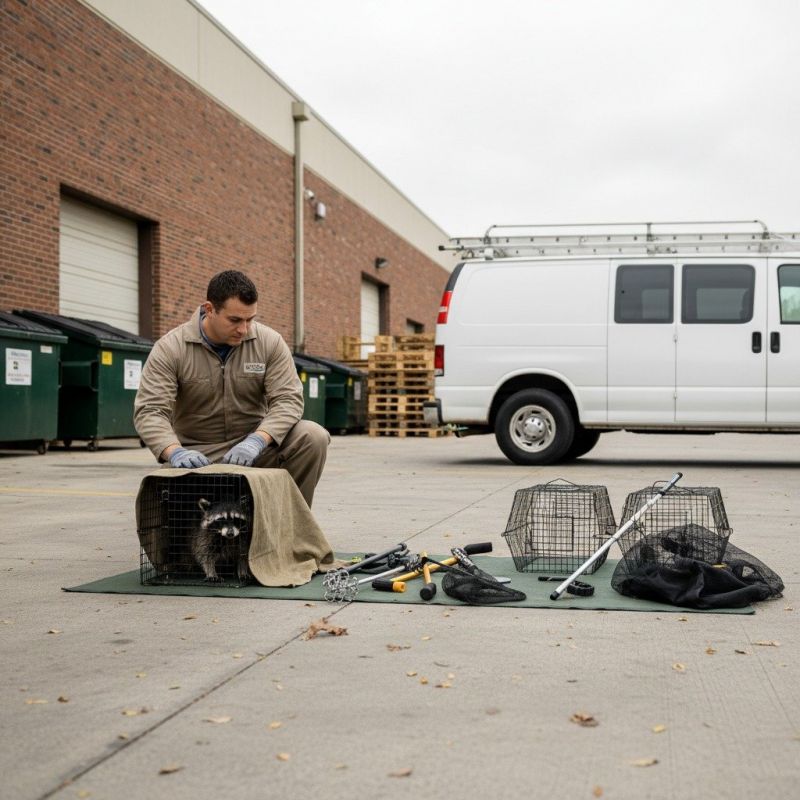
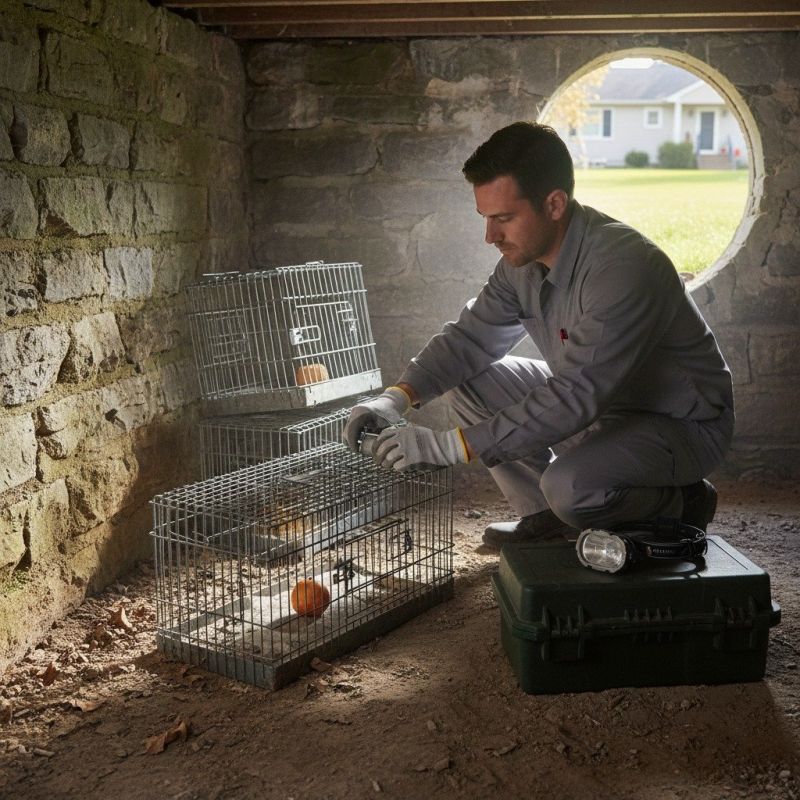
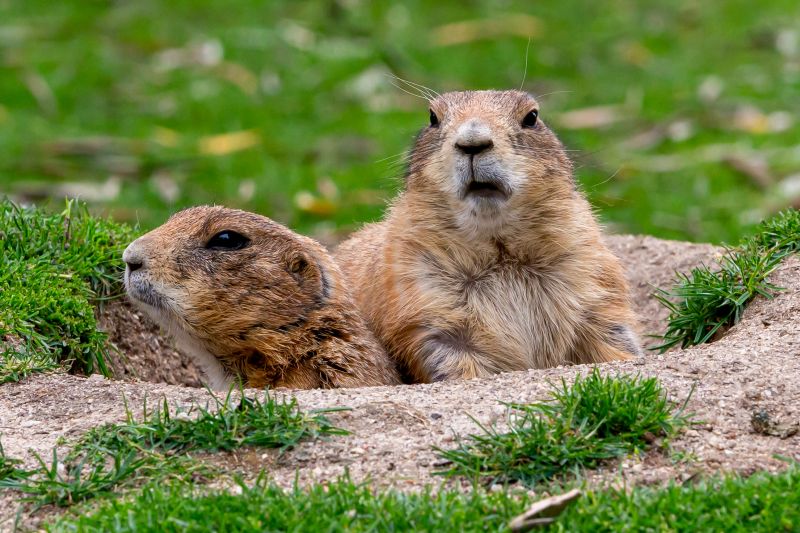
When people search for information on common small animal problems in commercial and industrial properties, they are usually looking to understand the types of pests or wildlife that can cause issues in these settings. These problems often involve animals such as rodents, squirrels, raccoons, or birds that find ways to enter buildings and create disturbances. Business owners and property managers want to identify signs of infestation early, understand the potential risks, and learn about effective removal options. This search often stems from concerns about property damage, health hazards, or disruptions to daily operations caused by unwanted animals.
The problems associated with small animals in commercial and industrial properties are diverse and can impact various aspects of a business. For example, rodents can chew through electrical wiring, increasing the risk of fires or equipment failure. Squirrels and raccoons may nest in attics, wall voids, or roof spaces, causing structural damage or noise complaints. Bird droppings can also pose sanitation issues and damage building exteriors. Many plans to address these issues involve inspection, sealing entry points, and removal or exclusion strategies. Properly managing these problems helps prevent future infestations and protects the integrity of the property.
These types of problems are most common in properties like warehouses, factories, office buildings, retail centers, and industrial facilities. Any commercial or industrial space that offers access points such as vents, gaps in roofing, or openings around utility lines can become targets for small animals seeking shelter or food sources. Older buildings with less maintenance or poorly sealed structures tend to be more vulnerable. Property owners and managers often seek out local service providers who specialize in small animal removal and exclusion to handle these issues effectively, ensuring that the property remains safe, clean, and operational.
Understanding how small animal problems relate to real projects involves recognizing the importance of prompt and professional intervention. Local pros who specialize in small animal removal are equipped to assess the extent of an infestation, identify entry points, and implement solutions that prevent animals from re-entering. These services are crucial for maintaining the safety and functionality of commercial and industrial properties. Whether it’s removing a raccoon from a roof or sealing gaps to prevent future rodent entry, these professionals play a vital role in managing common small animal problems and helping property owners protect their investments.
Rodent exclusion projects involve sealing entry points and installing barriers, skills that are directly applicable to preventing small animals from infiltrating commercial and industrial properties affected by common small animal problems.
Pest proofing services focus on identifying vulnerabilities in building structures, which is essential for addressing issues caused by small animals in commercial environments.
Wildlife removal and relocation projects require trapping and humane removal techniques similar to those used in small animal control efforts in industrial settings.
Building inspection and assessment projects involve evaluating structural integrity and identifying entry points, supporting efforts to mitigate common small animal problems.
Attic and crawl space sealing projects involve sealing potential entry points to prevent small animals from nesting, closely related to solutions for small animal issues in commercial buildings.
Structural repair and reinforcement projects help strengthen buildings against animal intrusion, aligning with strategies to solve common small animal problems in industrial properties.
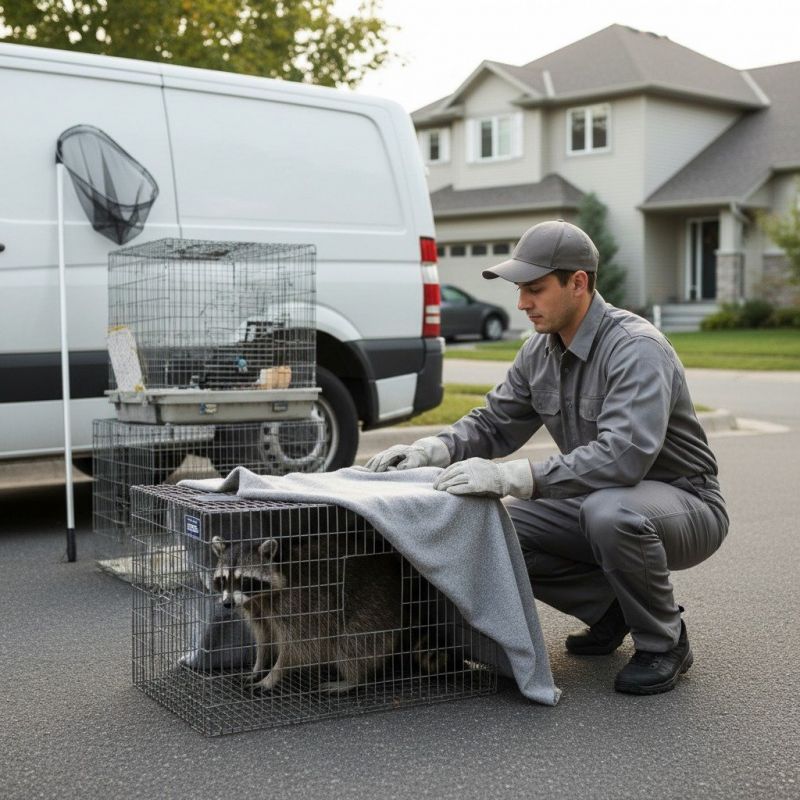
When evaluating service providers for small animal removal in commercial and industrial properties, it is important to consider their experience with similar projects. A contractor with a history of handling small animal problems in settings comparable to the property in question is more likely to understand the unique challenges involved. This experience can contribute to a more effective and efficient removal process, reducing the risk of recurring issues and ensuring that the specific needs of the property are addressed appropriately.
Clear, written expectations are also essential when comparing local contractors. Detailed communication about the scope of work, methods used, and any guarantees or follow-up procedures helps ensure that both parties are aligned. Having a transparent understanding of what the service provider will deliver can prevent misunderstandings and provide peace of mind, especially when dealing with sensitive areas such as commercial or industrial spaces where disruptions can impact operations.
Reputable references and good communication are key indicators of a reliable service provider. Asking for references from previous clients who have had similar small animal problems can provide insight into the contractor’s track record and professionalism. Additionally, a service provider who communicates clearly and promptly demonstrates a commitment to customer service and responsiveness. These qualities can make the process of addressing small animal issues smoother and more predictable, ultimately leading to a more satisfactory experience when working with local contractors.
Property owners often search for common small animal problems in commercial and industrial properties when they are planning practical projects around their homes and businesses. Local pros provide Small Animal Removal services for everyday jobs and straightforward project options.
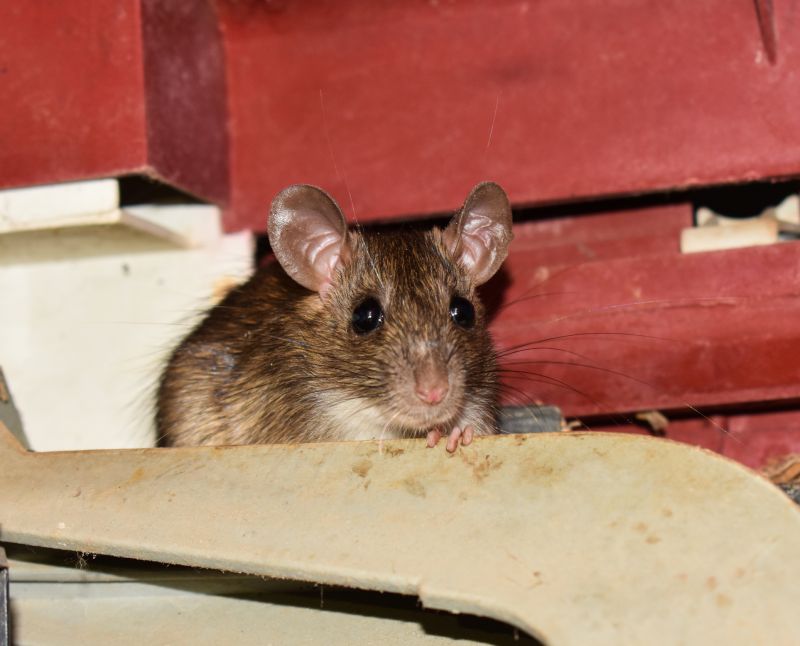
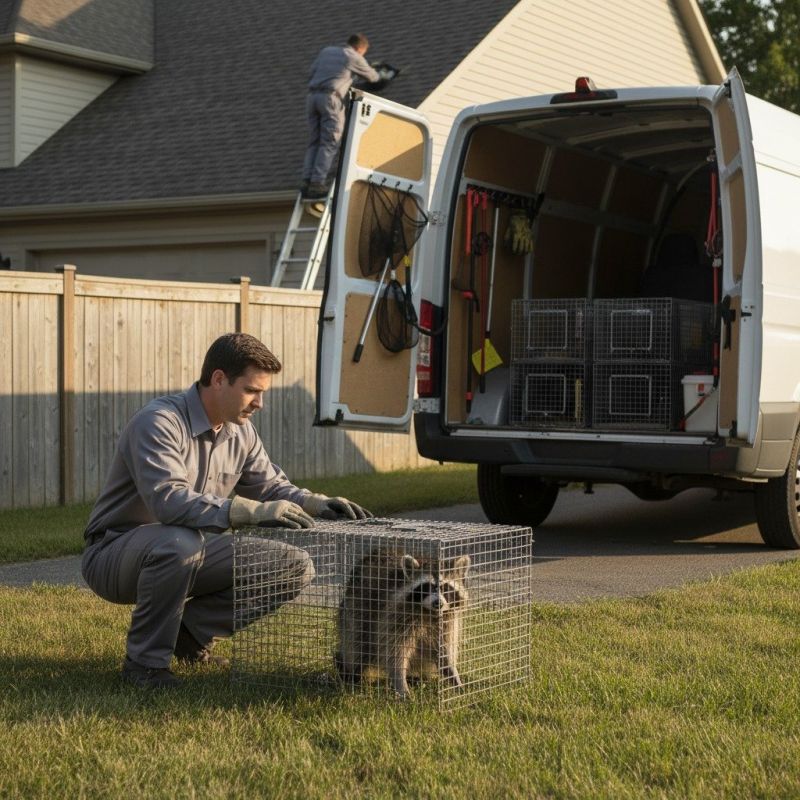
Many commercial and industrial property owners encounter common small animal problems that can disrupt operations and compromise building integrity. Rodents, such as mice and rats, are frequent visitors, often seeking shelter and food within walls, attics, or storage areas. Additionally, small animals like squirrels, raccoons, and birds may find their way into roof spaces or ventilation systems, causing noise, damage, and potential health concerns. Property managers and business owners might search for guidance on how to identify these issues early or prevent infestations, leading them to consider small animal removal services offered by local contractors who specialize in addressing these common problems.
When small animals establish themselves in commercial or industrial settings, they can cause significant damage to wiring, insulation, and structural components. This can lead to costly repairs and safety hazards if left unaddressed. Property owners often look up information on how to handle these situations and may seek the assistance of local service providers experienced in humane removal and exclusion methods. Connecting with experienced small animal removal professionals can help ensure that the problem is resolved efficiently, minimizing disruption and preventing future occurrences.
What are common small animal problems in commercial and industrial properties? Common issues include rodents nesting in walls, birds roosting on ledges, and small mammals damaging insulation or wiring, which can disrupt operations and cause property damage.
How do small animals typically enter commercial buildings? Small animals often find entry points through gaps around doors, windows, vents, or damaged roofing, and can exploit openings in the building’s foundation or walls.
Why is it important to address small animal problems promptly? Prompt removal helps prevent property damage, contamination, and health risks, reducing potential disruption to business activities and ensuring a safe environment.
What services do local contractors offer for small animal problems? Local service providers specialize in humane removal, sealing entry points, and implementing prevention measures to keep small animals from returning to commercial and industrial properties.
How can small animal removal services benefit commercial property owners? These services help protect property integrity, reduce maintenance costs, and ensure compliance with health and safety standards by effectively managing small animal issues.
Identify entry points - property owners can inspect buildings for gaps, holes, or damaged areas that small animals may use to gain access, enabling local contractors to seal these openings.
Implement exclusion measures - installing barriers or one-way doors can prevent small animals from re-entering after removal, with local pros helping to set up effective exclusion systems.
Maintain sanitation practices - removing food sources and clutter around the property can discourage small animals from nesting, while local service providers can advise on proper cleanup methods.
Schedule regular inspections - routine checks for signs of small animal activity can help catch problems early, allowing local contractors to address issues before they escalate.
If you are thinking about common small animal problems in commercial and industrial properties for a property, this guide is meant to help you understand this topic, the typical project types, and how different options might fit your plans.
When you are ready, you can use the quote form on this page to share a few details about your project. From there, local pros can review the basics and follow up with options that match what you have in mind.