Identifying Venomous vs. Non-Venomous Snakes and When to Call a Professional
People seeking help with identifying venomous versus non-venomous snakes and knowing when to call a professional can rely on local service providers experienced in safe snake removal.
Understanding how to distinguish between venomous and non-venomous snakes is an important step for property owners in the area, especially those who spend time outdoors or have yards that attract wildlife. Recognizing the key differences can help prevent unnecessary panic and ensure safety, but it’s equally important to know when a situation calls for professional assistance. Local service providers specialize in snake identification and removal, offering expertise to handle potentially dangerous encounters safely and effectively. Staying informed about these distinctions and knowing when to seek help can make a significant difference in maintaining a safe environment for families and pets alike.
For property owners navigating the challenges of snake encounters, having access to experienced professionals can provide peace of mind. Whether it’s identifying a snake in the yard or determining if a snake poses a threat, local contractors are equipped to assess the situation and handle removal with care. Exploring this topic further can help homeowners better understand the signs of venomous versus non-venomous snakes and recognize scenarios that warrant professional intervention. Keep reading to learn more about how trusted snake removal services can support safety and peace of mind in the community.
- Venomous snake removal - is needed when a venomous snake is identified or suspected in a property, and local contractors can safely handle and remove the threat.
- Non-venomous snake removal - is appropriate when non-venomous snakes are found in or around a home, with service providers focusing on humane removal and relocation.
- Identifying venomous vs. non-venomous snakes - is crucial for safety, and local experts can assist in distinguishing between the two based on appearance and behavior.
- When to call a professional - is advised if a snake's species cannot be confidently identified or if the snake is in an inaccessible area, with local contractors equipped to assess and remove safely.
- Snake habitat mitigation - involves preventing future encounters by addressing attractants, with service providers offering advice and removal services to reduce snake presence.
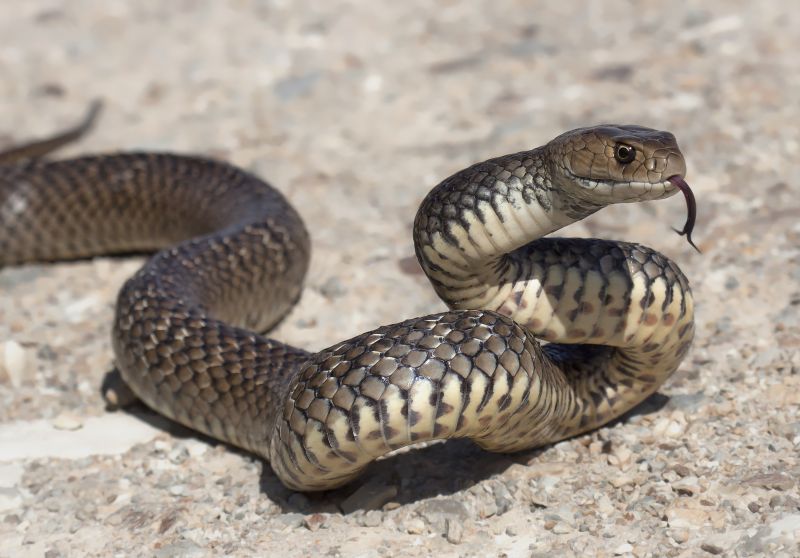
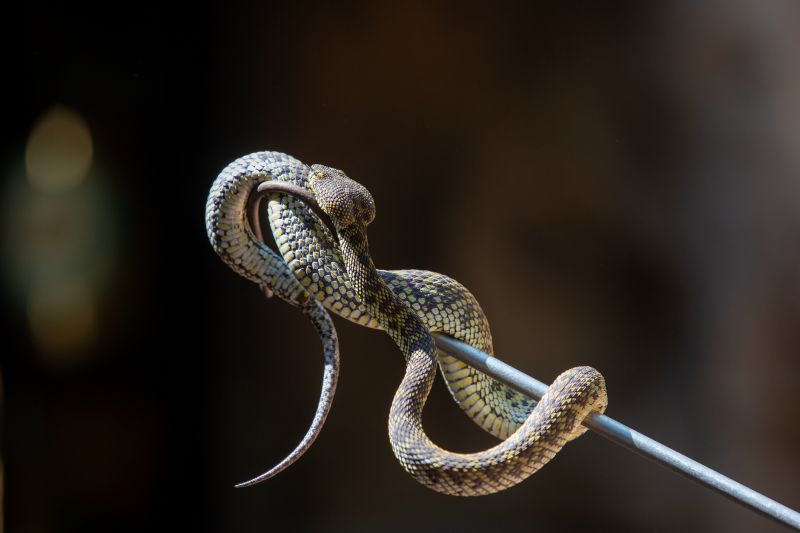
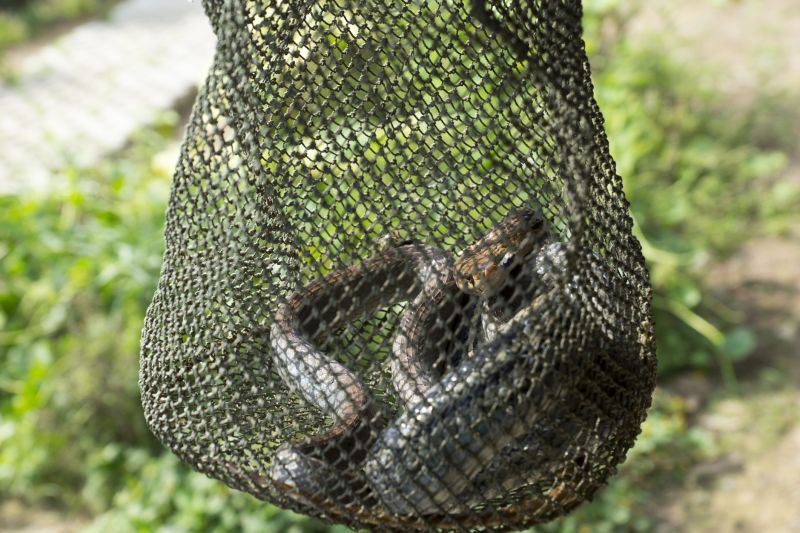
When people search for information on identifying venomous versus non-venomous snakes, they often want to understand how to recognize potentially dangerous animals in or around their property. This topic is closely related to concerns about safety, property protection, and wildlife management. Homeowners may encounter snakes in yards, gardens, or even inside structures, prompting questions about whether the snake poses a threat and if professional removal is necessary. The goal is to distinguish between harmless species and those that could cause harm, especially for families with children or pets. Clear identification helps homeowners decide whether they can handle the situation themselves or if it’s safer to bring in experienced service providers to manage the problem.
This subject also ties into planning for property safety and pest control strategies. For example, understanding the differences between venomous and non-venomous snakes can influence how a homeowner approaches yard maintenance, landscaping, or installing barriers. It’s common for property owners to want to prevent snake encounters altogether, especially in regions where venomous species are prevalent. Additionally, knowing when to call a professional can prevent accidental bites or injuries, particularly if a snake is found in a hard-to-reach area or if the owner is unsure about the species. These concerns often lead homeowners to seek out local contractors who specialize in snake removal, ensuring that the problem is handled safely and effectively without risking injury or property damage.
Properties that typically come up in these situations include residential yards, rural acreage, farms, and even commercial properties like warehouses or parks. These areas often provide suitable habitats such as tall grass, wood piles, or debris where snakes can hide. Homes with nearby natural features like ponds, dense shrubbery, or rocky outcroppings are also more likely to encounter snakes. For property owners, the key is recognizing the signs of a snake presence and understanding which species are common in their region. Local service providers who specialize in snake removal are equipped to assess these properties, safely remove any snakes, and implement preventative measures to reduce future encounters.
Understanding how to identify venomous versus non-venomous snakes is essential for homeowners dealing with these issues. Recognizing features such as head shape, coloration, and markings can help determine whether a snake is potentially dangerous. However, due to the risks involved, it’s often best to consult with experienced professionals when uncertainty exists. These local contractors can accurately identify the species, evaluate the situation, and perform safe removal if needed. Engaging a professional ensures that the property is cleared of any threats and that the homeowner receives guidance on how to prevent future encounters. This approach provides peace of mind, especially in areas where venomous snakes are part of the local wildlife landscape.
Wildlife Identification Projects - These projects involve recognizing and differentiating various animal species, similar to identifying venomous versus non-venomous snakes, and often require expert knowledge and careful planning.
Pest and Animal Removal Services - Local contractors specializing in removing unwanted wildlife, including snakes, use similar skills to determine when professional intervention is necessary for safe removal.
Home Safety Inspection Projects - These projects assess potential hazards like snake habitats, requiring careful evaluation and understanding of local wildlife to advise homeowners appropriately.
Outdoor Habitat Assessment - Evaluating yard and property environments for wildlife activity parallels identifying snake species and determining when professional removal is needed for safety.
Educational Outreach Programs - These initiatives teach communities about local wildlife, including snake identification, emphasizing the importance of consulting professionals for dangerous species.
Risk Assessment for Wildlife Encounters - Projects that evaluate potential risks posed by animals in residential areas involve similar planning and knowledge to distinguish venomous from non-venomous snakes and know when to seek expert help.
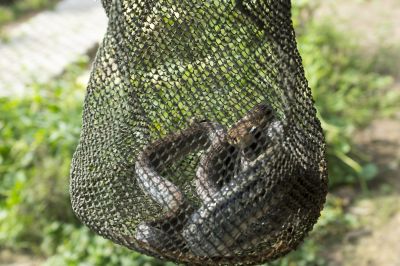
When comparing local contractors for services related to identifying venomous vs. non-venomous snakes and when to call a professional, it is important to consider their experience with similar projects. Contractors who have a history of handling snake identification and removal are likely to be more familiar with the different species and the appropriate methods for safe and effective intervention. An experienced service provider can offer insights based on past encounters, which can help ensure that the job is completed accurately and safely. Ensuring that a contractor has relevant experience can provide confidence that they understand the nuances involved in distinguishing between venomous and non-venomous snakes and know when professional intervention is necessary.
Clear written expectations are essential when evaluating potential service providers. This includes understanding the scope of work, what methods will be used to identify and handle snakes, and how the removal process will be managed. A reputable contractor should be able to provide detailed information about their approach, what homeowners can expect during the service, and any follow-up steps. Having these expectations clearly outlined helps prevent misunderstandings and ensures that the homeowner and service provider are aligned on the process from start to finish.
Reputable references and good communication are key factors to consider when comparing local snake removal services. Contacting previous clients or reading reviews can provide insights into the contractor’s reliability, professionalism, and quality of work. Additionally, a contractor who communicates clearly and promptly can make the entire process smoother, providing reassurance and clarity throughout the project. Choosing a service provider with a solid reputation and effective communication practices can contribute to a more confident and informed experience when addressing the important issue of snake identification and removal.
Property owners often search for identifying venomous vs. non-venomous snakes and when to call a professional when they are planning practical projects around their homes and businesses. Local pros provide Venomous and Non-Venomous Snake Removal services for everyday jobs and straightforward project options.

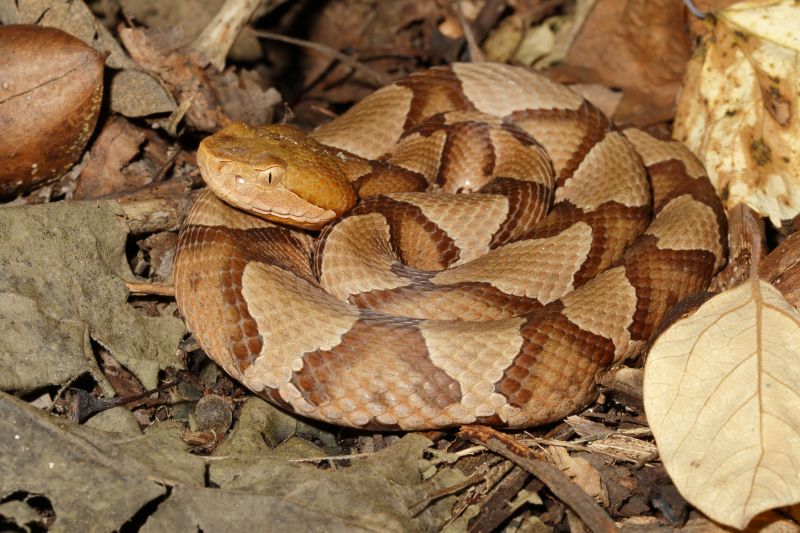
Understanding how to distinguish between venomous and non-venomous snakes can be crucial for property owners dealing with snake sightings around their homes or yards. Recognizing key features such as head shape, color patterns, and eye characteristics can help determine whether a snake poses a potential risk. In many cases, simple identification can prevent unnecessary alarm and guide property owners on whether professional snake removal services are needed. Local contractors who specialize in snake removal can safely handle situations where a snake's identity is uncertain or when the snake is in an area that could pose a threat to residents or pets.
Knowing when to call a professional is important to ensure safety and effective removal. If a snake is found in a hard-to-reach place, or if there is any doubt about whether it might be venomous, it’s best to seek expert assistance. Professional snake removal services have the experience and tools to handle the situation properly, reducing the risk of bites or injury. Property owners who notice multiple snakes or encounter aggressive behavior should also consider reaching out to local service providers for safe and humane removal. These specialists can assess the situation and ensure that snakes are removed promptly and responsibly.
How can I tell if a snake is venomous or non-venomous? Identifying venomous vs. non-venomous snakes involves observing features like head shape, eye pupils, and color patterns. However, many snakes look similar, so consulting a local contractor experienced in snake identification is recommended for accurate assessment.
What are common signs that a snake might be venomous? Venomous snakes often have a triangular or arrow-shaped head, vertical slit pupils, and distinctive markings. If unsure, it’s safest to have a professional evaluate the snake before attempting removal.
When should I consider calling a professional for snake removal? If you encounter a snake in or around your property and are unsure whether it is venomous, or if it’s in a hard-to-reach place, contacting local contractors for safe removal is advisable.
Are there specific features that distinguish venomous snakes from non-venomous ones? Yes, some features include the shape of the head, eye pupil shape, and scale patterns. However, since appearances can vary, professionals can provide accurate identification and safe removal services.
What should I do if I find a snake and can't identify it? Avoid attempting to handle or disturb the snake and contact a local snake removal service. Experienced service providers can accurately identify the snake and handle its removal safely.
Understanding snake identification - Learning to distinguish between venomous and non-venomous snakes can help property owners recognize potential risks and know when to seek professional removal services.
Recognizing warning signs of venomous snakes - Noticing specific behaviors or physical features can assist in determining if a snake poses a threat, prompting timely consultation with local contractors.
Assessing snake habitats on the property - Identifying areas where snakes are likely to hide or travel helps property owners manage and reduce encounters with dangerous species.
Knowing when to call a professional - Understanding the limits of safe removal and the importance of expert help ensures proper handling of venomous snakes and safe property management.
If you are thinking about identifying venomous vs. non-venomous snakes and when to call a professional for a property, this guide is meant to help you understand this topic, the typical project types, and how different options might fit your plans.
When you are ready, you can use the quote form on this page to share a few details about your project. From there, local pros can review the basics and follow up with options that match what you have in mind.